The underground economy in Pakistan is booming, fueled by mechanisms like hawala and cryptocurrency as individuals flee cumbersome formal banking systems. This shift not only affects personal finance but poses significant risks to the country’s overall economic stability, demanding urgent attention and action.
Understanding Pakistan’s Underground Economy
The underground economy encompasses all economic activities that occur outside of formal regulations. This shadow sector plays a crucial role in Pakistan, driven largely by informal practices such as hawala, an age-old method of transferring money without traditional banking channels. According to recent reports, nearly half of Pakistan’s economy operates informally, allowing individuals to bypass taxes and regulations imposed by financial institutions. This lack of oversight can benefit ordinary citizens seeking quick and efficient financial transactions but poses substantial long-term risks to national growth and stability.
Key players include individuals who rely on hawala for international remittances, small business owners needing quick cash flow solutions, and those who choose cryptocurrency for online transactions. The impacts of this underground economy are often felt most acutely by the most vulnerable citizens, who lack access to formal banking services but rely on homemade solutions that yield mixed outcomes, including higher transaction fees and security risks.
The Role of Hawala in Financial Transactions
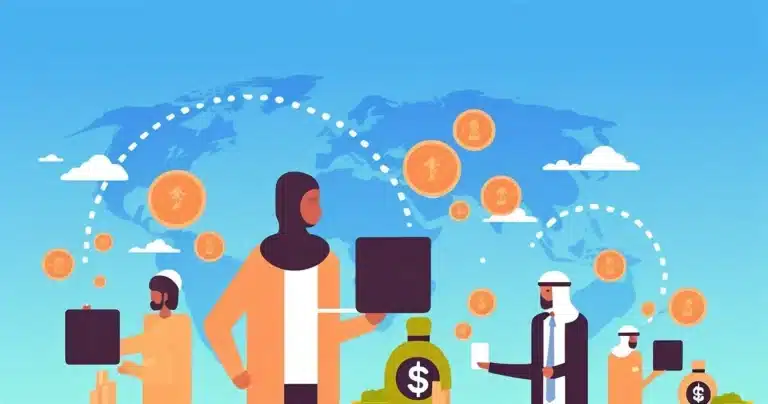
Hawala is an informal method of transferring money, rooted in cultural practices that prioritize trust and community relationships. It operates through a network of brokers who facilitate transactions without any physical transfer of cash, making it appealing in regions with limited banking infrastructure. Hawala’s significance in Pakistan’s financial landscape cannot be overstated; it provides quick and cheap alternatives to traditional banking, thus enabling vast economic activities in Pakistan.
For instance, many families depend on hawala for remittances from abroad, as it circumvents the cumbersome formal banking process, which is often slow and riddled with fees. Case studies have shown that hawala has a substantial impact on local commerce, allowing small vendors and farmers to trade efficiently, yet it simultaneously raises concerns regarding money laundering and tax evasion. This duality highlights the necessity for better regulation to reap the benefits of hawala while mitigating its risks.
Cryptocurrency’s Emergence in Pakistan
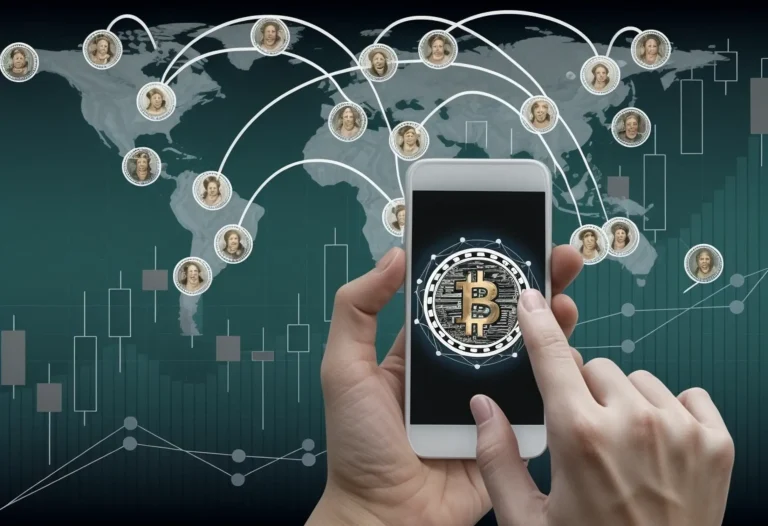
In recent years, cryptocurrency has emerged as a formidable player in Pakistan’s underground economy. With rising access to digital technology, many individuals have turned to cryptocurrencies due to the perceived advantages they offer over traditional banking methods, including lower transaction fees and the ability to bypass extensive scrutiny by financial institutions. This new crypto economy is not merely for tech-savvy investors; it is popular among ordinary citizens who see it as a way to gain financial autonomy.
However, the use of cryptocurrency comes with significant risks. Regulatory uncertainty, coupled with concerns about security and fraudulent schemes, poses challenges for potential users. As industry experts note, while the benefits of cryptocurrency are enticing, they also create a landscape where compliance challenges become prevalent, leading to further economic scrutiny. Addressing these issues is essential to enhance regulation and protect users while fostering innovation within this burgeoning sector.
Macro-Economic Effects of the Underground Economy
The underground economy significantly affects Pakistan’s macroeconomic stability. Tax losses from informal transactions and practices like hawala can severely cripple the national budget. Recent estimates suggest that Pakistan loses billions annually through these practices, with tax losses exceeding 6% of GDP, an amount larger than the annual defense budget. This narrative indicates that the underground economy not only diminishes revenue but also shields potential growth sectors from vital governmental support.
Furthermore, the presence of a thriving underground economy complicates fiscal policies, making it difficult for the government to formulate effective economic strategies. Experts emphasize the importance of understanding this dynamic to address issues of national security and economic health. The interconnected nature of the underground economy with informal labor markets and financial systems raises alarms about the country’s ability to nurture long-term financial stability.

Escaping the Trap: Why People Turn to Informal Channels
Individuals are increasingly turning to informal banking channels due to a combination of socio-economic factors. The cumbersome nature of formal banking, coupled with high fees and strict requirements, drives many to seek alternatives like hawala and cryptocurrency. These informal systems often provide enhanced efficiency and accessibility, catering directly to the needs of those underserved by the formal economy.
Culturally, there is a perception that formal banking is inaccessible or inequitable, leading to a distrust of traditional financial institutions. Consequently, many Pakistani citizens prefer undocumented transactions that offer anonymity, quicker resolutions, and lower costs. Understanding these psychological and cultural influences is essential for policymakers as they seek to address the allure of these informal channels while pushing for necessary reforms.
Future Implications for Pakistan’s Financial System
As the underground economy continues to grow, the long-term risks to Pakistan’s formal financial system become increasingly apparent. Comprehensive policies are needed to gradually reintegrate these informal channels into the mainstream economy. According to recent evaluations, the government must formulate strategies that foster transparency and build trust in the formal financial system to attract users from the underground economy.
Additionally, engaging in active dialogues with stakeholders involved in hawala and cryptocurrency can yield insights into how to best reform financial practices. A proactive approach will not only stabilize the financial system but also enhance Pakistan’s capacity for economic growth in the future.
Call for Action: Addressing Economic Scrutiny
To mitigate the underground economy’s growth, it is crucial to prioritize transparency in financial practices. Encouraging comprehensive reforms that streamline processes and reduce friction in accessing formal banking services is imperative. Government institutions, including the State Bank of Pakistan and the Federal Board of Revenue, must take collaborative steps to ensure a seamless transition for citizens moving from informal to formal channels.
In conclusion, addressing Pakistan’s underground economy and its intertwining relationship with cryptocurrency is essential for fostering a more inclusive financial environment. Economic scrutiny must evolve to accommodate changing practices while ensuring the integrity of Pakistan’s financial system, thereby securing a sustainable economic future.
About The Author