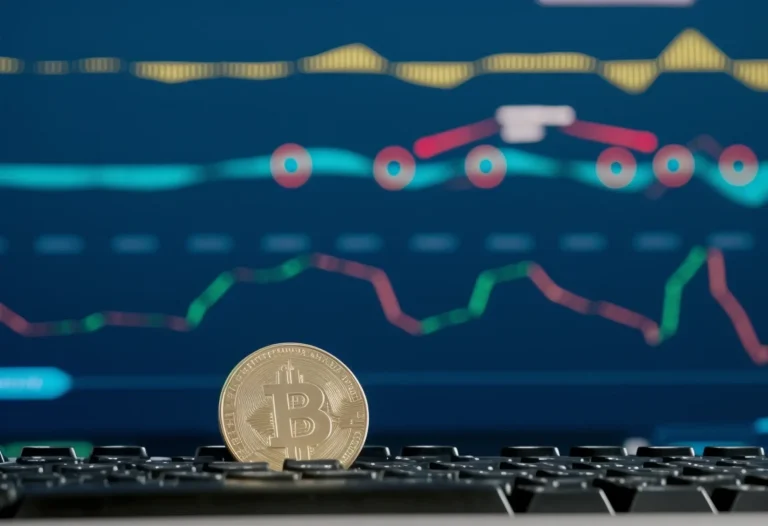
Cryptocurrency scams are on the rise, raising urgent concerns for investors navigating this digital finance landscape. As we witness heightened activity in fraudulent schemes, it’s crucial to understand the mechanics behind these threats. Investors must actively protect their assets in an evolving environment where financial safety is at stake.
Understanding Cryptocurrency Scams and Their Impact
Cryptocurrency scams take various forms, presenting unique challenges for investors. Common scams include Ponzi schemes, phishing attacks, and pump-and-dump scams, each designed to exploit the rapid growth of the crypto market. According to recent reports, these scams have resulted in substantial financial losses for unsuspecting investors, forcing many to confront the harsh realities of digital asset investments (Binance).
The financial implications of falling victim to such scams can be devastating. Investors may lose their entire investment, leading to long-lasting repercussions on personal finances. Moreover, these incidents frequently result in negative sentiment within the market, which undermines overall trust and confidence in cryptocurrency as a legitimate investment option. Essentially, repeated fraudulent activities can erode the foundational belief that cryptocurrencies represent a safe and viable alternative to traditional investments.
The Rise of Deceptive Practices in Bitcoin
Bitcoin, the poster child of cryptocurrencies, has recently faced a surge in scams that have significantly shaken the industry. Notable case studies demonstrate how these scams exploit weaknesses within Bitcoin exchanges. For example, while Bitcoin exchanges generally have robust security measures, they are still vulnerable to sophisticated hacking attempts and fraudulent schemes, leaving investors at risk (CryptoSlate).
Scams such as fake initial coin offerings (ICOs) and phishing schemes targeting Bitcoin wallets have become all too common. These types of frauds not only result in substantial financial losses but also contribute to a negative reputation for Bitcoin. As the scams gain traction, the overall Bitcoin market suffers as potential investors become hesitant due to fears of fraud.
Geopolitical Factors Fueling Investment Risks
External political events play a crucial role in influencing market volatility, especially in the world of cryptocurrencies. Issues such as international conflicts and economic sanctions can trigger significant price fluctuations in digital currencies. Recent events underscore this correlation; for instance, disturbing geopolitical developments have led to sharp downturns in crypto prices, only to recover quickly as conditions stabilize (Coindesk).
For investors, these geopolitical dynamics present both challenges and opportunities. Being aware of such factors is essential for maintaining financial safety. Investors can examine indicators such as political stability and economic conditions when making decisions about entering the cryptocurrency market. Ultimately, understanding these influences helps navigate investment risks effectively.
Trends in Cryptocurrency Fraud: What to Watch For
Keeping an eye on current trends in cryptocurrency fraud is crucial for investors looking to protect their assets. Lately, fraudulent activities have been evolving, with new schemes emerging to exploit unsuspecting individuals. For instance, social media scams, where fraudsters pose as legitimate investment firms offering returns that seem too good to be true, are increasingly prevalent.
Moreover, technology impacts fraud detection both positively and negatively. While enhanced security measures have been developed, such as two-factor authentication and blockchain tracking, fraudsters are also leveraging technology to perpetrate more sophisticated scams. Investors must remain vigilant and educated about the types of fraudulent patterns that are surfacing in the market.
Protecting Your Investments: Best Practices
To minimize the risk of falling victim to cryptocurrency scams, investors should adopt a proactive approach. Here are some actionable strategies:
– Conduct thorough research: Before investing, verify the legitimacy of any cryptocurrency project, including its whitepaper and team.
– Utilize reputable exchanges: Stick to well-established exchanges that have securely managed customer funds.
– Be cautious with personal information: Avoid sharing sensitive details, particularly through unsolicited communications.
– Stay informed: Keep up with recent developments and educational resources related to cryptocurrency fraud. Websites, forums, and reputable news sources offer valuable insights.
By following these practices, investors can significantly reduce their exposure to scams and protect their investments.
Taking Responsibility for Financial Safety
Ultimately, the responsibility for maintaining financial safety lies with each individual investor. Continuous learning is essential in the ever-evolving landscape of cryptocurrency fraud. Staying informed about the latest trends and protective measures helps empower investors to make sound decisions.
Vigilance is key; regular monitoring of market conditions and emerging scams can provide an edge in safeguarding assets. Adopting a proactive mentality will not only prepare investors for potential threats but also reinforce their confidence in continually engaging with the cryptocurrency market.
By taking these steps, investors can enjoy more secure participation in this dynamic financial arena, helping to instill a sense of trust and safety in the cryptocurrency ecosystem.
About The Author