
As economic instability rises globally, more investors are turning to Bitcoin as a hedge against currency collapse. Understanding how Bitcoin serves as a protective measure can empower individuals to safeguard their savings amid uncertainty.
Economic Downturn Drives Interest in Bitcoin
Economic downturns often prompt investors to shift their focus toward alternative assets, particularly Bitcoin. This phenomenon is primarily influenced by rising inflation rates and deteriorating currency stability. When traditional fiat currencies begin to exhibit instability, many individuals seek refuge in digital currencies. According to a recent analysis, economic ordeals lead to elevated interest in cryptocurrencies as investors look to protect their assets.
The current global landscape, marked by various economic challenges, illustrates this trend. Central banks are grappling with policies attempting to curb rampant inflation. For instance, many countries have seen inflation rates climb well above their historical averages, compelling investors to diversify their portfolios to include cryptocurrencies. As individuals navigate uncertain times, turning their attention to cryptocurrency investment is not merely a trend; it’s a strategic move to secure their wealth.
Bitcoin as Hedge Against Currency Collapse
Bitcoin’s potential as a hedge against currency collapse is noteworthy. As traditional currencies undergo devaluation, Bitcoin often emerges as a preferred alternative. This mechanism has gained significant traction, primarily because Bitcoin operates independently of any single government’s economic policies. Its decentralized nature gives it inherent value that is less susceptible to the forces driving fiat currency down. Many people have turned to Bitcoin in recent years, especially during moments of economic turbulence. For example, individuals in countries facing severe currency devaluation have recounted their experiences of switching to Bitcoin to avoid substantial losses.
Real-world examples highlight the lengths to which individuals will go to protect their wealth. In regions where inflation has oxidized the purchasing power of local currency, such as in countries experiencing instability, the pivot to Bitcoin underscores its appeal. As defined by industry analyses, Bitcoin often acts as a safeguard during turbulent financial climates, growing in favor as an asset class that promises not just stability but potential growth as well.
The Rial Plunge: A Case Study
The Iranian Rial has recently faced a dramatic plunge, declining to a historic low of 1.42 million rials per US dollar. This substantial drop in value has significant implications for ordinary citizens, sparking protests across major cities as discontent brews over the financial situation. With inflation soaring to 52.6% year-over-year, people are turning to Bitcoin as a viable means of financial protection. As citizens experience staggering increases in prices—72% for food and 50% for medical items—many are leveraging digital currencies to cope with economic mismanagement.
The transition to Bitcoin among Iranian citizens signifies more than a mere financial strategy; it is an explicit form of protest against their government’s economic policies. This case exemplifies how pervasive economic issues can drive individuals towards digital currencies, encompassing broader movements toward autonomy in personal finance amidst external pressures.
Cryptocurrency Investment Trends in Turbulent Times
Amid economic downturns, trends in cryptocurrency while investing reveal insightful patterns. Younger generations are significantly attracted to digital assets, preferring them over traditional investment vehicles. This demographic shift fuels a growing interest in cryptocurrencies, not just among millennial investors but also in expanding age groups looking for innovative opportunities.
According to experts, the increasing volatility of fiat currencies plays a critical role in this shift. The allure of crypto stems from its decentralized nature and the potential for growth amidst economic uncertainty. Nevertheless, the burgeoning cryptocurrency sector grapples with its own set of challenges, as regulatory landscapes evolve and investors seek to navigate the complexities of these assets. To sustain momentum, cryptocurrency stakeholders will need to address these challenges while simultaneously promoting education and transparency to potential investors.
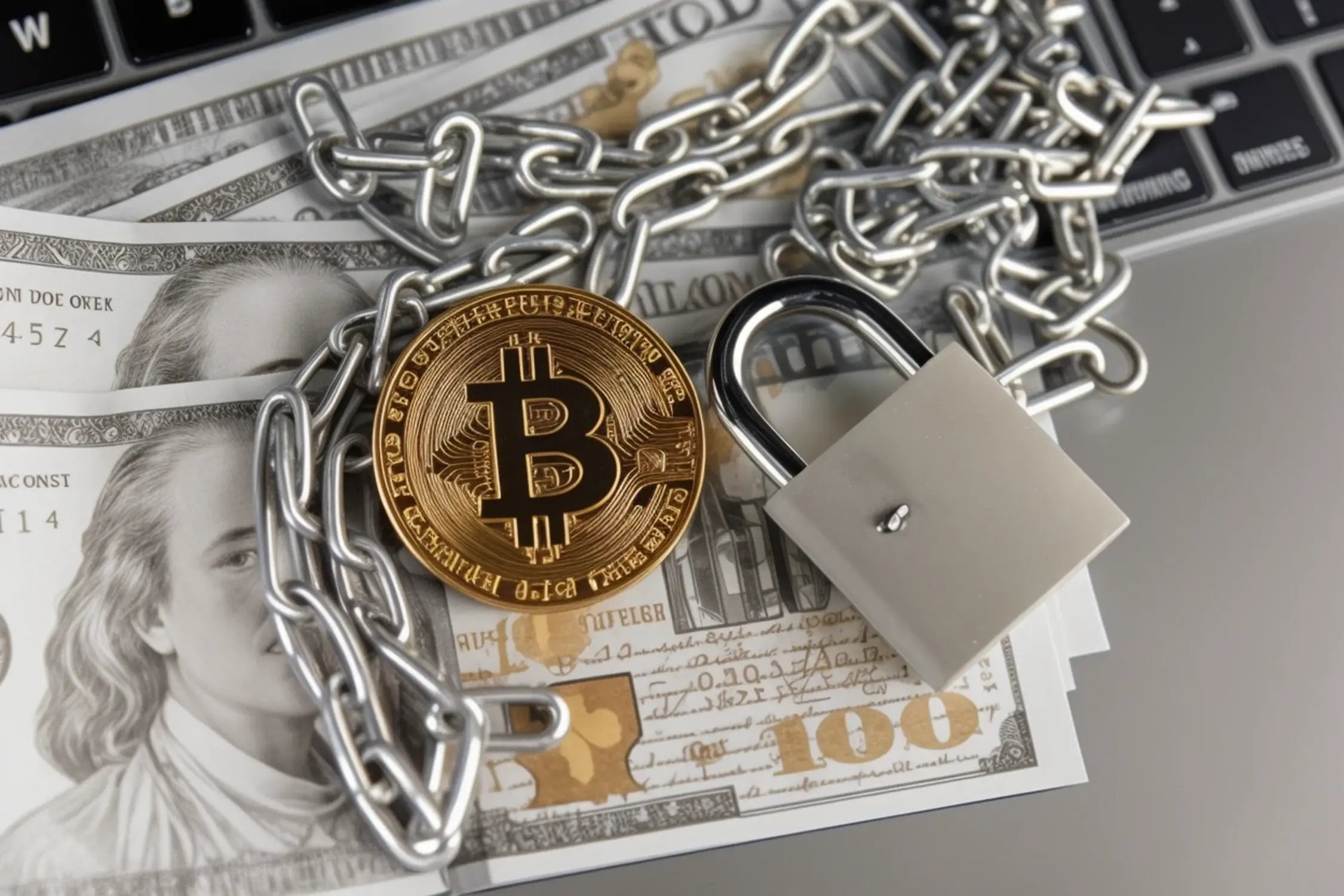
Investing Strategies: Diversifying with Bitcoin
Incorporating Bitcoin as a hedge is becoming a common investing strategy. Financial advisors advocate that diversification can reduce risk and enhance returns, especially during economic instability. Bitcoin provides an excellent opportunity to complement traditional assets in a diversified portfolio. Investors should consider the following strategies when incorporating Bitcoin:
– Allocate a Small Percentage: Rather than investing a majority of capital in Bitcoin, contributors should start with a modest allocation that allows them to capture potential upsides without exposing themselves to excessive risk.
– Balance with Traditional Investments: Having a mix of traditional equities, bonds, and Bitcoin can help create a more resilient portfolio. Each asset affects the overall risk and return differently.
– Stay Informed: Regularly updating oneself on cryptocurrency trends and news can guide investment decisions. Resources focused on market developments are invaluable for all investors.
Understanding the dynamics at play when utilizing Bitcoin as part of a broader investment strategy can help investors maximize their outcomes in volatile environments.
Solutions for Navigating Economic Instability
When navigating economic uncertainty, individuals can take several actionable steps to safeguard their investments. Starting with Bitcoin involves research and prudent investment practices. Prospective investors should first ensure they understand the core principles of cryptocurrencies and the specifics surrounding Bitcoin.
In finding the right platform, selecting an exchange with a good reputation is advisable, combined with secure wallets to store digital assets safely. Resources for ongoing education about market conditions and cryptocurrency trends are also vital. As analysts show, Bitcoin not only promises liquidity but could also disrupt traditional investment landscapes by integrating modern tech with classic asset structures. Thus, investors equipped with knowledge and ethical guidance will likely navigate future economic uncertainties successfully.
About The Author