Stagflation is emerging as a significant concern for economies worldwide, especially in the era of volatile energy prices. Understanding its implications on the crypto economy is crucial for investors and policymakers navigating these uncertain times. Here’s how stagflation could reshape the financial landscape and why that matters right now.
Stagflation’s Growing Significance in Today’s Economy
Stagflation refers to the simultaneous occurrence of stagnant economic growth and rising inflation, creating a challenging environment for policymakers and investors alike. The characteristics of stagflation often include high unemployment alongside inflation, defying the traditional economic theory that inflation is usually tied to low unemployment rates. Rising inflation rates, particularly driven by energy prices, have placed significant pressure on global economies, with many analysts warning that countries may soon face this economic condition.
The connection between energy prices and inflation is particularly acute during periods of geopolitical tension. According to recent reports, sustained increases in oil and gas prices have a ripple effect, significantly raising inflation and delaying potential interest rate cuts. This dynamic is particularly pressing for crypto investors, as inflation impacts the purchasing power of fiat currencies, thus affecting the perceived value of cryptocurrencies.
Current Energy Price Shocks and Global Insecurity
The geopolitical landscape of today is fraught with tensions that have exacerbated fluctuations in energy prices. These shocks often result from conflicts that disrupt supply chains, leading to price surges. For instance, the ongoing struggles in oil-rich regions can lead to significant price spikes, affecting not only the immediate markets but also spreading uncertainty across global economies.
The ripple effects on different economies and sectors can be profound. Countries heavily reliant on energy imports, particularly in Europe and Asia, are particularly vulnerable to these prolonged price shocks. As evidence suggests, natural gas alone can account for a huge portion of production costs in sectors like chemicals, indicating how intertwined our economic health is with energy costs. Thus, historical contexts remind us how previous energy crises shaped economic responses, emphasizing the importance of preparing for potential future impacts.
The Crypto Economy Under Stagflation Pressure
Stagflation can significantly influence the cryptocurrency markets, particularly regarding investment behaviors and market stability. During times of economic uncertainty, investors often flock to tangible assets or perceived safe havens. This flight could lead to increased volatility in cryptocurrency investments, as speculators may withdraw to mitigate risks, impacting the overall market.
Moreover, the correlation between energy prices and crypto mining costs cannot be overstated. Mining cryptocurrencies requires substantial energy inputs. As energy prices rise, the costs for mining operations increase, squeezing margins and potentially leading to reduced mining activity. The viability of certain cryptocurrencies may decrease as these operational costs rise, which in turn may affect market prices adversely. As industry experts note, understanding these dynamics is critical for maintaining investments during a stagflationary environment.
Adapting to Change: Sector Winners and Losers
In the face of stagflation, different sectors may experience varying outcomes. Energy and related sectors could thrive amid rising prices, benefiting from increased demand and higher margins. Conversely, industries such as airlines and chemicals may struggle significantly, as their operational costs soar without room for price increases in services or goods.
In the crypto space, projects that leverage energy-efficient technologies or alternative energy sources might emerge as winners. These innovations could provide solutions that counteract the economic pressures of stagflation, allowing these projects to maintain competitiveness. Investors need to be vigilant in identifying which crypto endeavors align with these trends to mitigate risk and capitalise on potential opportunities.
Practical Steps for Investors in a Stagflationary Environment
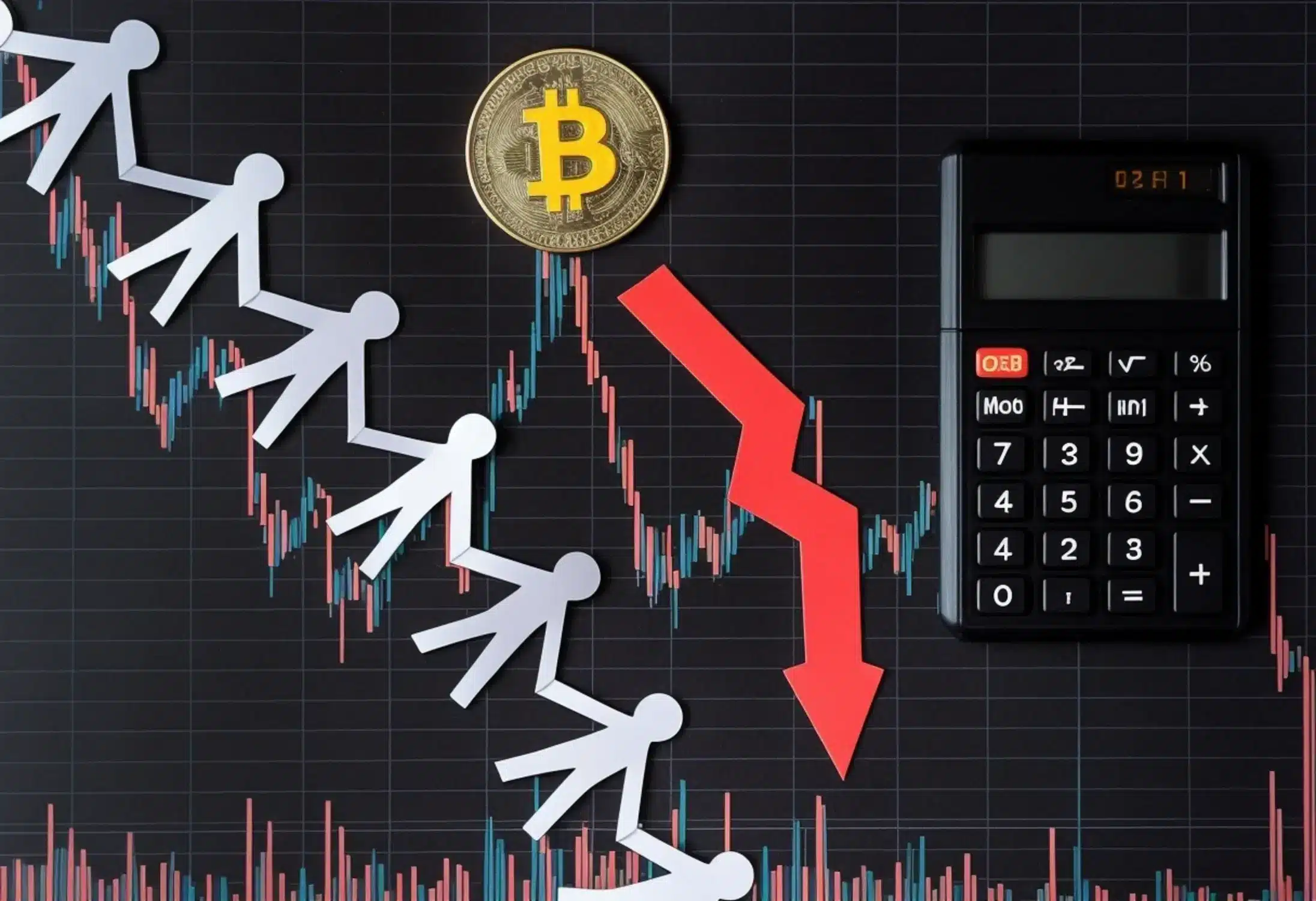
Navigating investments during stagflation presents unique challenges and requires well-thought-out strategies. First and foremost, diversification is crucial in uncertain times. By spreading investments across various asset types, investors can reduce risk exposure significantly. It is essential to start considering how different assets respond to fluctuations in energy prices and inflation rates.
Investors should also stay informed about emerging trends within the crypto sector that may offer resilience against stagflation. Enhanced protocols focusing on sustainability or those that employ innovative solutions to reduce mining costs can present promising avenues during such economic climates. Being proactive in research gives investors a better chance of making informed decisions in an ever-changing market.
The Path Forward: Preparing for Future Economic Realities
Understanding stagflation is crucial for better decision-making in uncertain economic times. Policymakers have a vital role in mitigating economic impacts and must consider appropriate interventions to support growth. The implications for cryptocurrencies could be significant, as they need to navigate these complex economic realities while maintaining their relevance. Future economic models will likely reflect the lessons learned from current stagflation concerns, potentially changing how cryptocurrencies are perceived and adopted within the global economy.
Ultimately, being aware of these dynamics will empower both investors and policymakers to make strategic choices that align with the realities of stagflation, leading to better financial outcomes in an increasingly uncertain world.
About The Author