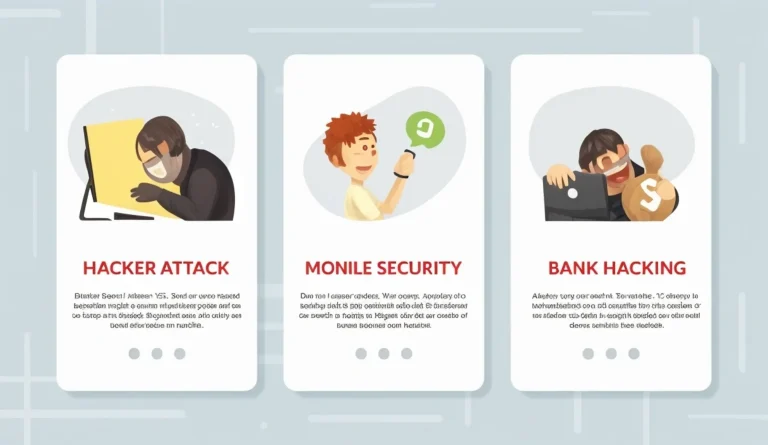
In the evolving landscape of digital finance, understanding the complexities of cybersecurity is paramount. With rising crypto hacks and escalating scams, we need to grasp how vulnerabilities affect the crypto industry and what measures can mitigate risks to ensure safe trading.
Growing Concerns About Crypto Hacks
The frequency of cyberattacks targeting crypto platforms has skyrocketed, raising serious concerns among investors. According to recent reports, multiple major exchanges faced breaches, leading to significant losses. These incidents not only inflicted financial damage but also severely eroded investor trust in the crypto market. In fact, after hacks, user engagement often plummets, as investors hesitate to return to platforms that have previously been compromised. This pattern underscores a vicious cycle: as losses increase, trust diminishes, leading to lower trading activity and, consequently, reduced market liquidity.
Moreover, financial losses from these hacks can impact the overall crypto industry. When hackers swipe millions through breaches, the effects ripple through the market, resulting in a wider decline in trading volume and investor sentiment. For instance, a significant drop in the affected exchange’s trading volume often correlates with broader market downturns, indicating how interconnected the crypto landscape really is. This relationship emphasizes that strong cybersecurity must be prioritized not just for individual entities but for the industry’s health as a whole.
Cybersecurity Challenges in the Crypto Industry
Cryptocurrency exchanges are navigating a unique set of security challenges, making them appealing targets for cybercriminals. One primary challenge is the inherent technical complexity of decentralized finance (DeFi) systems. Traditional security measures, which work well for conventional financial institutions, often fail to address the nuanced vulnerabilities present in decentralized platforms. For example, decentralized applications have multiple access points that can be exploited, increasing the attack surface for hackers.
Additionally, many exchanges lack sufficient security measures due to the rapid pace of industry development. Often, platforms prioritize functionality and speed over robust security protocols. This oversight has been costly, as demonstrated by the array of hacks recorded over the past few years, with poor coding practices and inadequate protection against known vulnerabilities cited as frequent causes.
Cybercriminals exploit these weaknesses to conduct phishing attacks, smart contract exploits, and other sophisticated schemes. The top exchanges must develop unique security frameworks tailored for their environments to combat these threats effectively.
Impacts of Crypto Industry Shutdowns
Over the past few years, several prominent crypto exchanges have faced shutdowns due to heightened regulatory scrutiny. These shutdowns have significantly altered the market landscape, prompting users to reevaluate their trust in digital assets. When exchanges close unexpectedly, it often leads to panic selling and mass withdrawal of assets, destabilizing markets further.
Regulatory actions typically arise from concerns around insufficient safeguards against money laundering and fraud. Therefore, while these actions aim to enhance security, they can also induce immediate negative impacts on user confidence. Investors may feel uncertain about the longevity and stability of the crypto ecosystem, leading to hesitance to engage with other platforms. In the long-term, such uncertainties can deter new investments and innovation within the space, hampering growth and limiting recovery from downturns.
Trends in Trading Volume and Security Risks
Recent trends show a troubling decline in trading volumes across major exchanges, which many analysts attribute to increasing security concerns. Reports indicate that trading volumes fell by 39% in Q1 2026, signaling a prolonged downturn. This decline directly correlates with the growing reports of crypto hacks and scams, instilling fear in investors and ultimately leading to weaker trading activity.
A fall in trading volume has significant implications for market stability. Lower liquidity often leads to increased price volatility, making assets even riskier. As reported, this scenario may attract even more cyber threats; with fewer trades happening, malicious actors may perceive soft targets where they can execute exploits without attracting immediate attention. Thus, the intersection of declining trading volumes and rising security risks creates a precarious environment for both investors and exchanges alike.

Recognizing Crypto Scams and Fraudulent Schemes
The crypto market is unfortunately rife with scams, emerging in various forms such as Ponzi schemes, phishing attacks, and fake initial coin offerings (ICOs). Understanding these deceptive practices is essential for investors to protect themselves. For instance, scams often promise unrealistic returns, enticing users to invest without sufficient information. Being aware of these red flags is crucial for making informed decisions.
To combat the rising tide of crypto scams, regulations are evolving worldwide. Various jurisdictions are implementing stringent measures aimed at protecting investors while still promoting innovation within the crypto space. This legal landscape aims to create clearer guidelines for operations, thus helping reduce instances of fraud and scams significantly. Nevertheless, investors must remain vigilant and conduct due diligence to stay safe.
Proactive Measures for Crypto Investors
As threats in the crypto space continue to evolve, so should the defensive measures put in place by investors. To enhance personal security while trading, adopting comprehensive strategies is essential. Key practices include:
– Using secure wallets: Hardware wallets provide an added layer of security compared to online wallets, mitigating the risk of hacks.
– Choosing trusted exchanges: Researching exchange security track records can help investors select platforms with robust security measures.
– Implementing two-factor authentication (2FA): Adding an extra step for verification safeguards accounts from unauthorized access.
– Staying informed: Keeping abreast of ongoing scams and market developments enables investors to navigate risks more effectively.
By adhering to these proactive strategies, investors can substantially increase their chances of securing their assets in the volatile world of cryptocurrency.
About The Author